
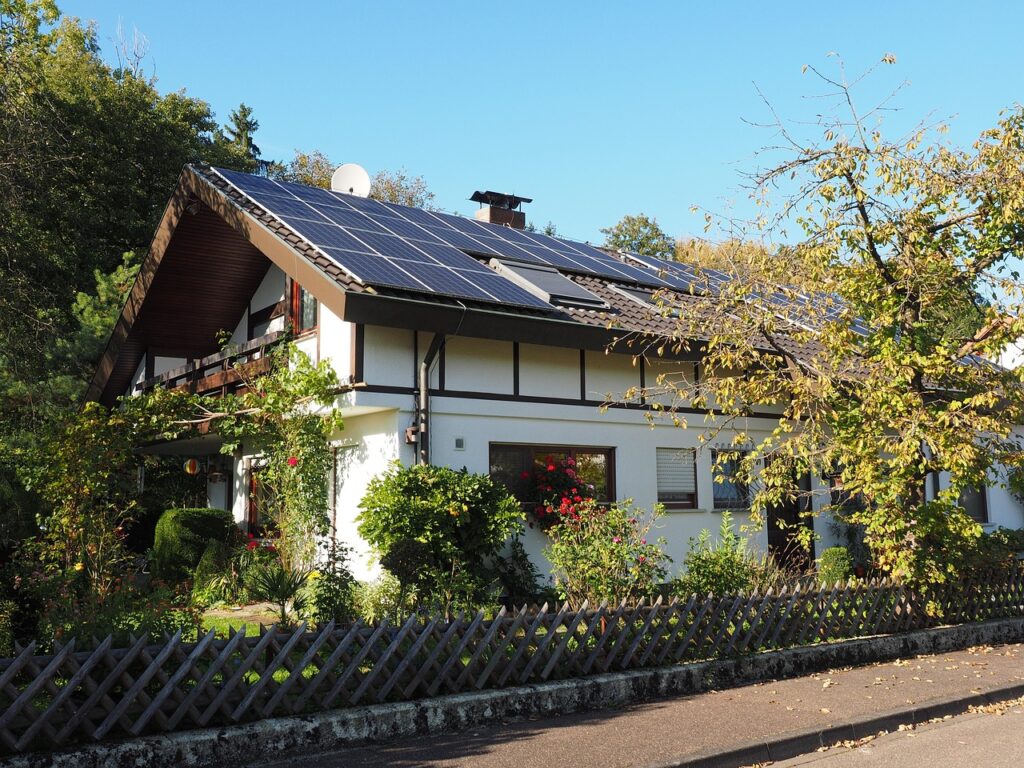
If you’re looking to reduce energy bills, solar panels are one of the most effective options. These allow you to capture the power of the sun, and transform this into electricity that can power your home. But there are a number of factors to consider if you are thinking about installing solar panels on your property. One of the most common questions is “how many solar panels do I need?” Well, there is no single number that suits every home. The answer to this varies by your individual circumstances, and the considerations include how much electricity you use, the size of your property, and how much roof space is available.
Your electricity usage
One of the most important factors when determining how many solar panels you need is your electricity consumption. Simply put, the more energy you use, the larger your solar panel system will generally need to be. Looking at your electricity bills can help you understand your annual energy usage, which is usually measured in kilowatt hours (kWh). For example:
- Smaller households with lower energy use may require fewer panels
- Larger homes or businesses with higher electricity demand may need larger systems
Your installer will usually assess your annual electricity usage to recommend an appropriate system size.
What is the typical number of solar panels for UK homes?
In the UK, a typical domestic solar panel system is around 3.5 to 4 kilowatts (kW) in size. Depending on the wattage of the panels used, this usually requires approximately 8 to 12 solar panels for an average household.
It’s also important to remember that modern solar panels are more efficient than older models, This means that you may need fewer panels than you think to generate enough electricity for your property.
Panel wattage and efficiency
Not all solar panels produce the same amount of electricity. Most modern residential panels generate between 350 and 450 watts (W) each. Higher-efficiency panels produce more electricity in a smaller space, which can reduce the total number of panels required. For example:
- Lower-wattage panels may require more roof space
- Higher-efficiency panels can achieve similar output with fewer panels
Available roof space
The amount of usable roof space also affects how many panels you can install. Factors that influence this include:
- Roof size and shape
- Chimneys, skylights, or vents
- Roof direction and pitch
- Shading from nearby buildings or trees
As a result, even if your energy usage suggests a larger system, your roof space may determine the practical limit for installation.
Roof direction and sunlight exposure
The position of your roof affects how efficiently your panels can generate electricity:
- South-facing roofs generally produce the most energy
- East- and west-facing roofs can still perform well
- North-facing roofs are usually less effective
This means that if your roof receives less sunlight, you may need more panels to achieve the same level of energy generation.
Can you add more solar panels later?
In many cases, solar panel systems can be expanded in the future. This can be useful if:
- Your energy usage increases
- You purchase an electric vehicle
- You add battery storage later on
However, expansion depends on factors such as inverter capacity and available roof space, so it is worth discussing future flexibility with your installer.
Getting an accurate assessment
While general estimates are useful, the best way to determine how many solar panels you need is through a professional assessment. An installer will evaluate:
- Your electricity usage
- Roof size and condition
- Sunlight exposure and shading
- Your long-term energy goals
This allows them to design a system tailored specifically to your property and requirements.
So how many solar panels do you need?
For many homes, a typical system consists of around 8 to 12 panels. However, the exact number of solar panels you need depends on factors such as energy usage, roof space, panel efficiency, and sunlight exposure.
Get Free Solar Quotes Near You
If you’re ready to explore your options, Solar Scout can help.
We connect you with trusted local installers so you can compare quotes, systems and advice—all in one place.
Get started today and see how much you could save.