
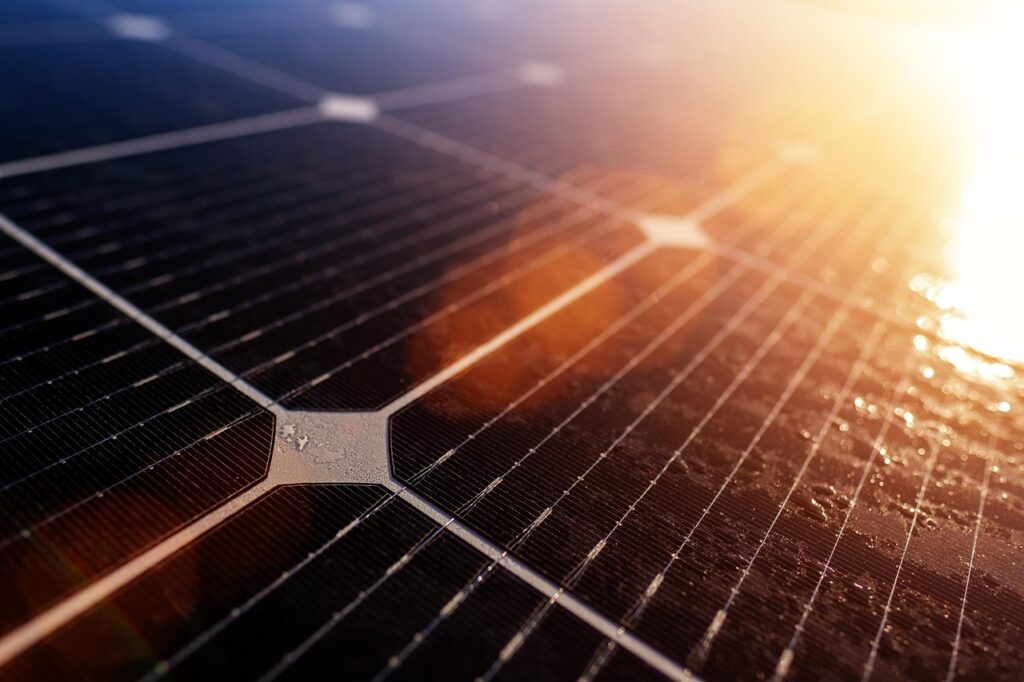
Understanding the potential energy output of a solar panel system can help you estimate the savings you could make from domestic solar panel installation. This can be a deciding factor when you are considering whether solar energy is right for your property. So how much energy can a solar panel generate? And why should you consider installing domestic solar panels?
How solar panel output is measured
Solar panel output is typically measured in watts (W), which indicates the amount of power a panel can produce under ideal conditions. Most modern residential solar panels have a power rating of between 350W and 450W. Generally speaking, a higher wattage panel can generate more electricity than a lower wattage panel of a similar size.
However, a panel’s power rating represents its maximum potential output. The actual amount of electricity generated throughout the year will depend on real-world conditions.
How much electricity does a single solar panel generate?
In the UK, a typical modern solar panel can generate approximately 300 to 450 kilowatt hours (kWh) of electricity per year. The exact figure depends on factors such as:
- Panel efficiency
- Roof direction and pitch
- Local weather conditions
- Levels of shading
For example, a well-positioned 400W solar panel installed on a south-facing roof is likely to generate more electricity than the same panel installed on a heavily shaded roof.
How much energy does a typical solar panel system generate?
While individual panel output is useful to understand, homeowners are usually more interested in the performance of the entire system. A typical UK domestic solar panel system is around 3.5 to 4 kilowatts (kW) in size and usually consists of around 8 to 12 panels. Such a system can generate approximately 3,000 to 4,000 kWh of electricity per year.
This level of generation is often enough to cover a significant proportion of a household’s annual electricity usage.
What affects solar panel generation?
Several factors influence how much energy your solar panels can produce, including:
- Roof direction: In the UK, solar panels generally perform best when installed on a south-facing roof. This allows them to receive the most sunlight throughout the day. East- and west-facing roofs can also generate strong results, although total annual output may be slightly lower.
- Roof pitch: The angle of your roof affects how much sunlight reaches the panels. A pitch of around 30 to 40 degrees is generally considered ideal for solar panels in the UK, helping maximise annual energy generation.
- Shading: Shade can have a significant impact on performance. Trees, neighbouring buildings, chimneys, and other obstructions can reduce the amount of sunlight reaching the panels. Even partial shading can affect output, which is why a professional site assessment is so important.
- Location: Homes in southern parts of the UK generally receive more sunlight than those further north. However, solar panels can still perform effectively across the country and generate meaningful savings regardless of location.
Seasonal differences in energy generation
Solar panel output varies throughout the year. During spring and summer, longer days and stronger sunlight allow panels to generate higher levels of electricity. In autumn and winter, output is lower due to shorter daylight hours and less intense sunlight.
Despite these seasonal changes, solar panels continue to generate electricity throughout the year and contribute to your household energy needs.
Can solar panels power an entire home?
Whether solar panels can meet all of your electricity needs depends on your energy consumption and the size of your system. Some households are able to generate a large proportion of their annual electricity requirements, while others use solar panels to offset part of their energy demand.
Adding battery storage can increase the amount of solar electricity you use by storing excess energy generated during the day for use in the evening.
So, how much energy can a solar panel generate?
The amount of energy a solar panel can generate depends on its size, efficiency, location, and installation conditions. A typical residential solar panel may produce around 300 to 450 kWh per year, while a standard domestic solar panel system can generate approximately 3,000 to 4,000 kWh annually. For many homeowners, this can provide a substantial contribution to household electricity needs and help reduce energy bills over the long term.
Get Free Solar Quotes Near You
If you’re ready to explore your options, Solar Scout can help.
We connect you with trusted local installers so you can compare quotes, systems and advice—all in one place.
Get started today and see how much you could save.